Blog

Get the latest industry insights and company news

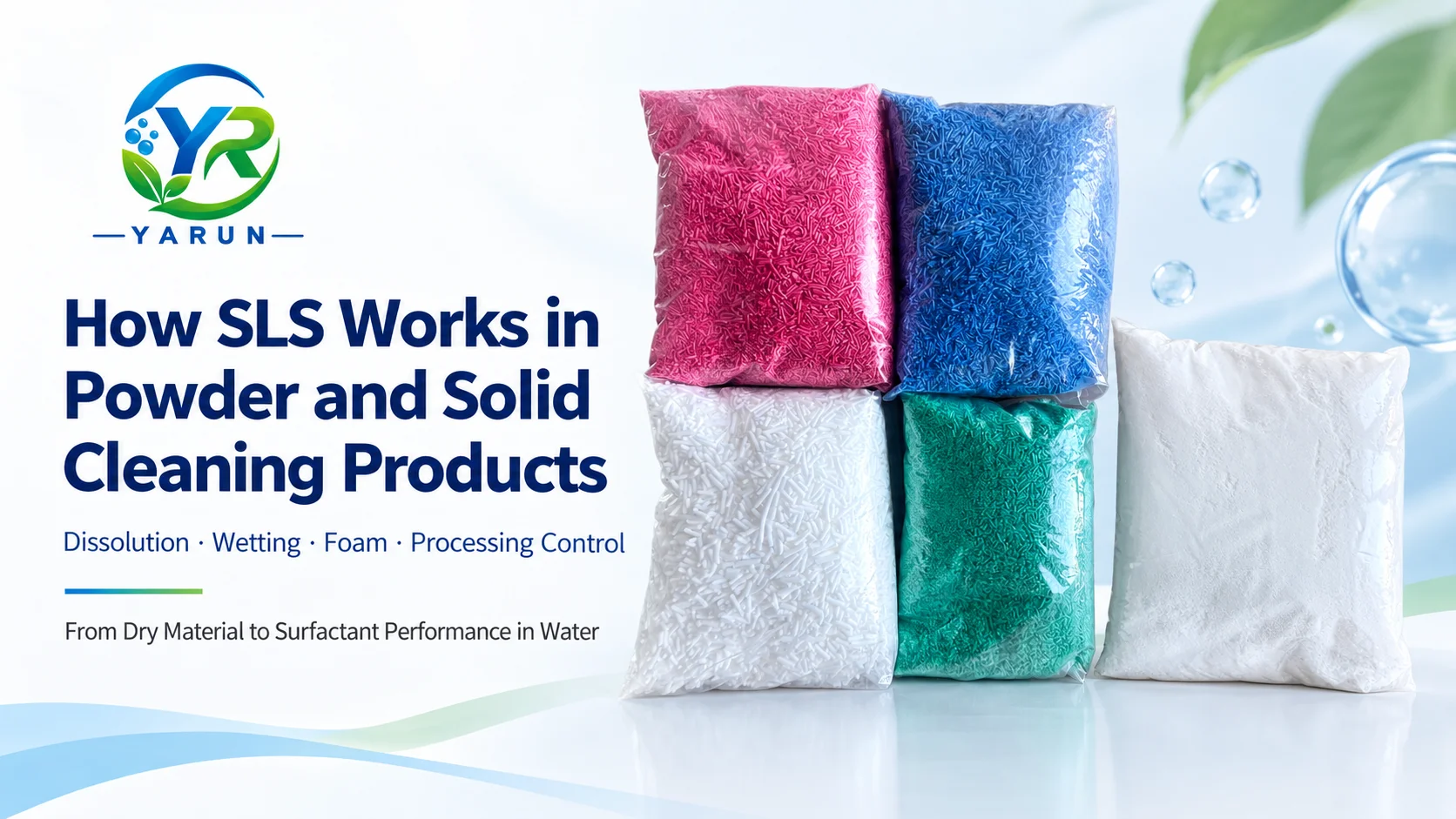
How SLS Works in Powder and Solid Cleaning Products: Dissolution, Wetting, Foam and Processing Control

SLS does not deliver its full surfactant function simply because it is present in a detergent powder, tablet or cleaning block. Its practical performance depends on how the solid product releases, disperses and dissolves the surfactant when it contacts water. This technical guide explains the full dry-to-wet mechanism, including wetting, interfacial activity, micelle formation, foam generation, water-condition effects, solid-product release, residue diagnosis, controlled testing and commercial-scale validation.

Read Full Article →
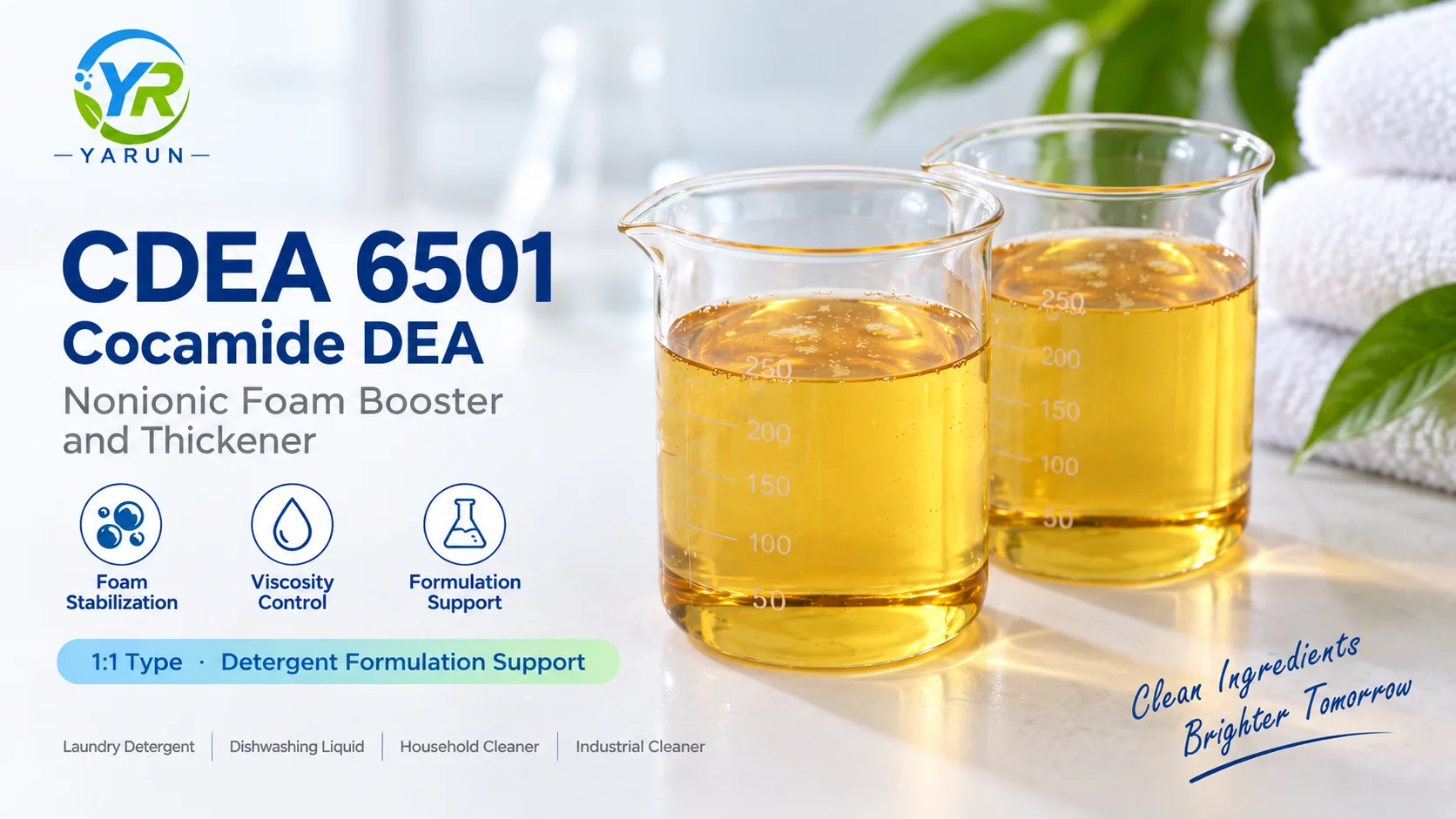
How CDEA 6501 Works in Liquid Detergents: Foam Stabilization, Viscosity and Formulation Control

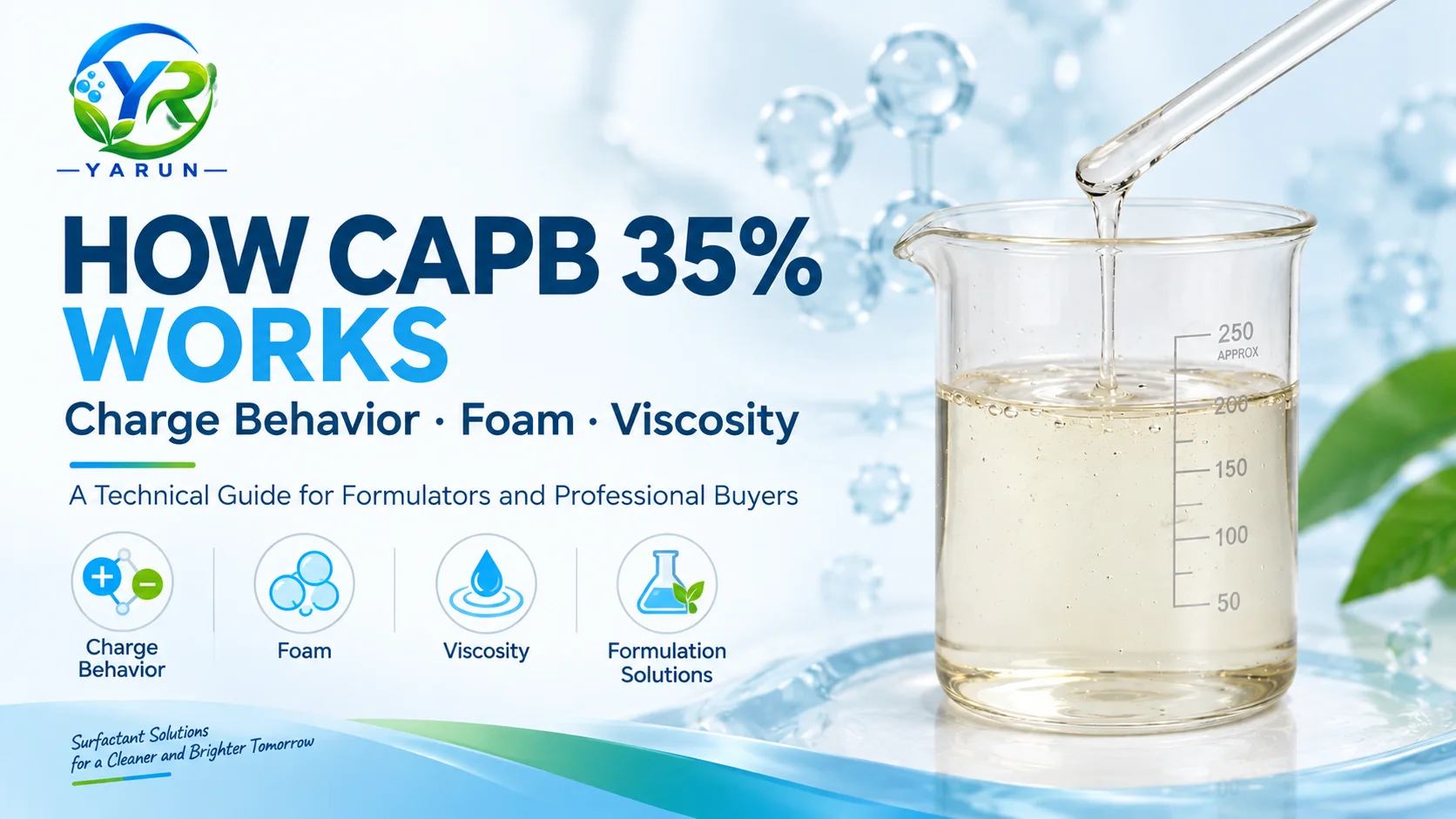
CDEA 6501 is commonly described as a foam booster or thickener, but its actual performance depends on the complete surfactant system. This technical guide explains how CDEA supports foam stability and viscosity development, why its response changes with different surfactants and processing conditions, how it differs from CAPB 35%, and how detergent manufacturers should evaluate CDEA from laboratory trials through commercial production.

Read Full Article →

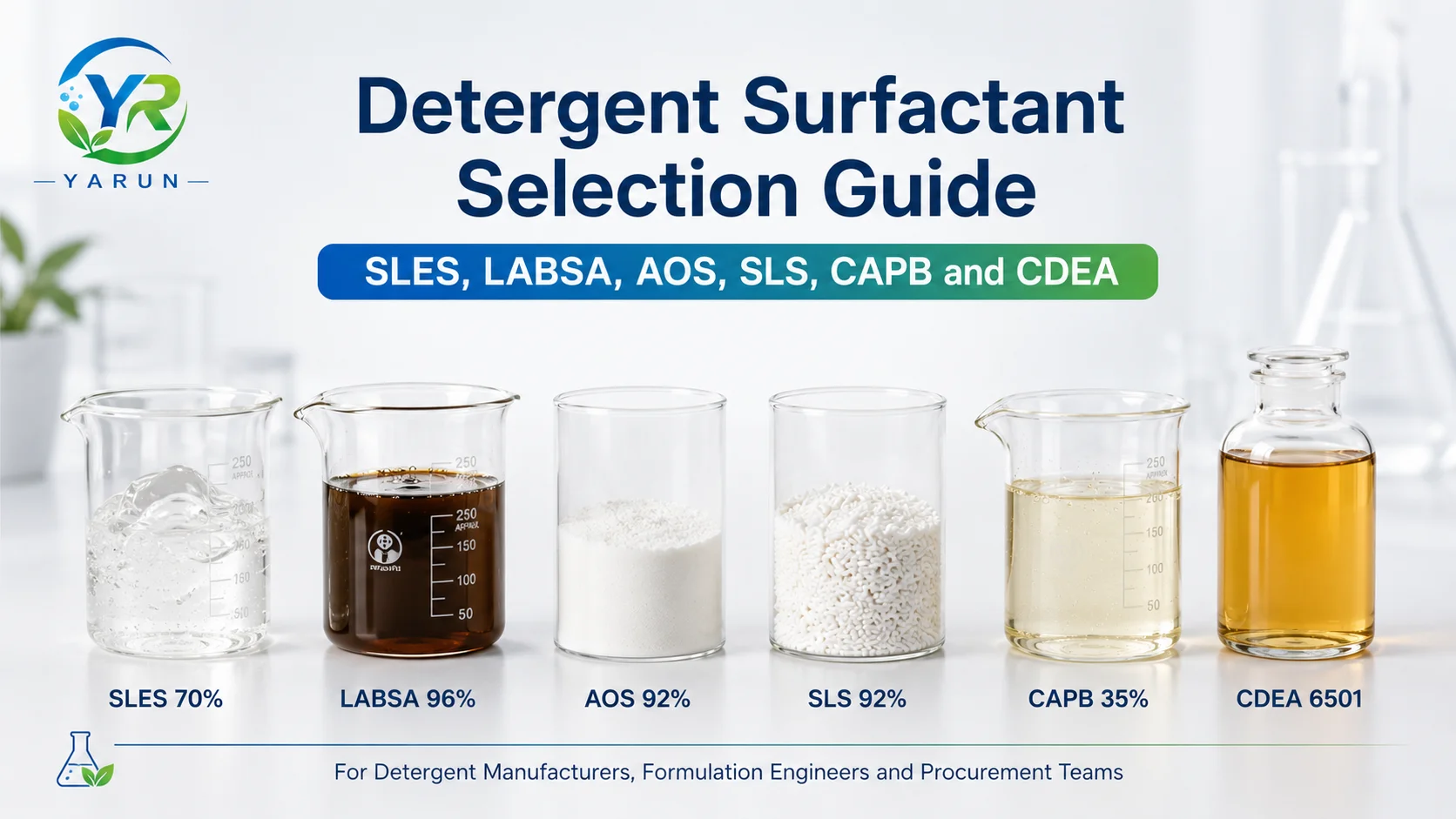
Detergent Formulation Optimization in Thailand: How to Select SLES, LABSA, AOS and SLS

Detergent formulation optimization is not simply a matter of choosing the cheapest surfactant. For Thai manufacturers producing laundry liquid, laundry powder, dishwashing liquid, shampoo, liquid soap and related cleaning products, the more useful approach is to evaluate surfactants according to active matter, cleaning function, foam profile, water quality, formulation stability, processing requirements and finished-product economics. This engineering guide explains how LABSA 96%, SLES 70%, AOS 92% and SLS 92% can be used individually or in combination, provides practical starting-point dosage ranges for different product categories, and shows how manufacturers can test cost-saving alternatives without sacrificing required performance. The goal is not to provide one universal formula. Instead, the objective is to establish a repeatable surfactant selection and optimization method that Thai detergent manufacturers can adapt to their own water quality, production process, product positioning and cost targets.

Read Full Article →

3–7 vs 7–15 vs 30–35 Days Scent Booster Beads: A B2B Performance Selection Guide

Compare 3–7, 7–15 and 30–35 day scent booster bead performance routes for B2B sourcing, wholesale and private-label development. Learn how to interpret fragrance-duration claims, establish controlled sample comparisons, evaluate cost per wash and total commercial fit, verify batch repeatability, and select the right performance route for value, mainstream or premium market positioning.

Read Full Article →

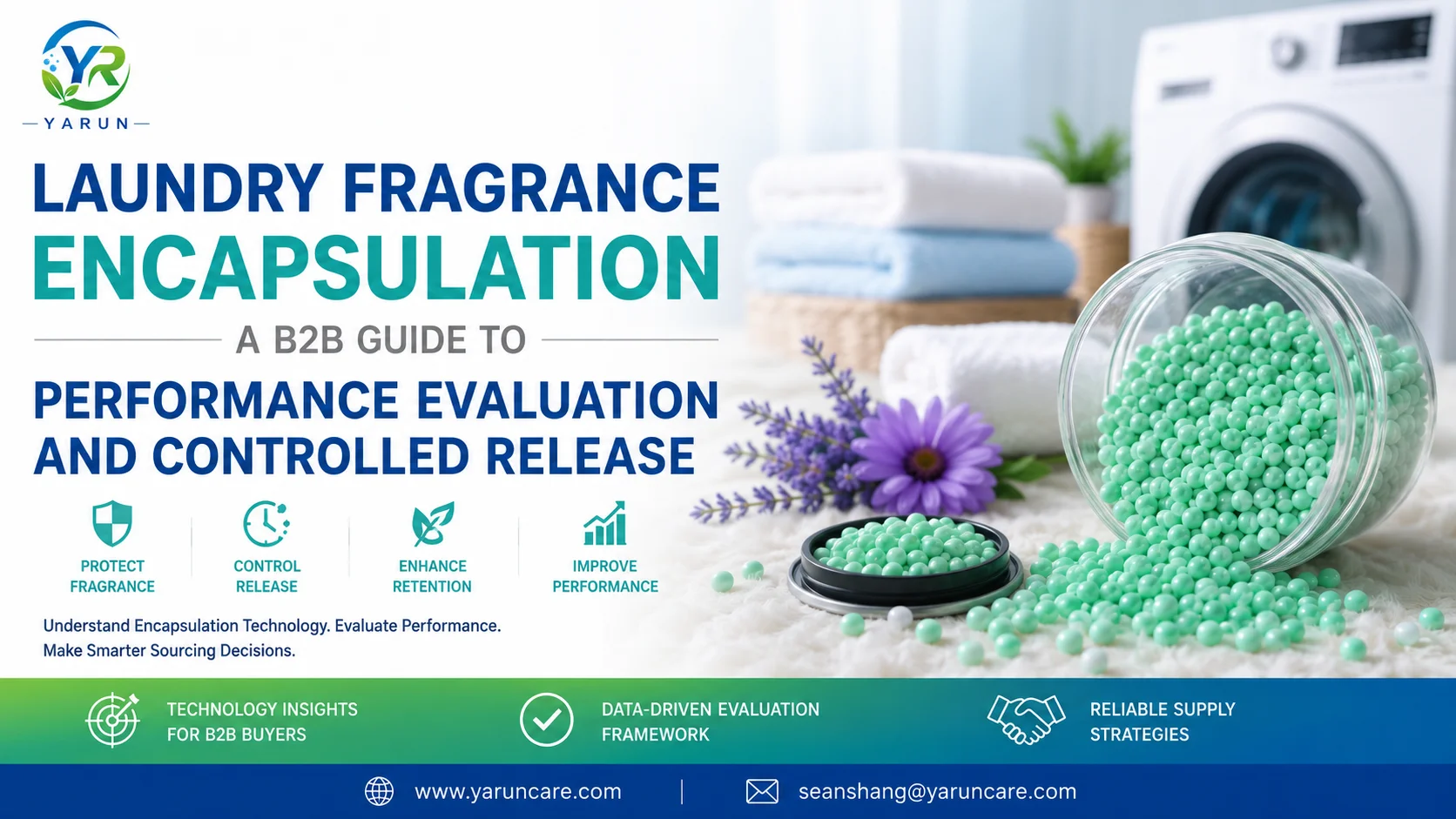
Laundry Fragrance Encapsulation in Scent Booster Beads: A B2B Guide to Performance Evaluation and Controlled Release

Laundry fragrance encapsulation is an important technology used in scent booster beads to protect fragrance components and support controlled fragrance release. This B2B guide explains free fragrance, encapsulated fragrance and combined fragrance systems, how controlled release works, how buyers should evaluate performance, and how to assess the commercial value of encapsulation technology before selecting a supplier or developing private-label laundry products.

Read Full Article →