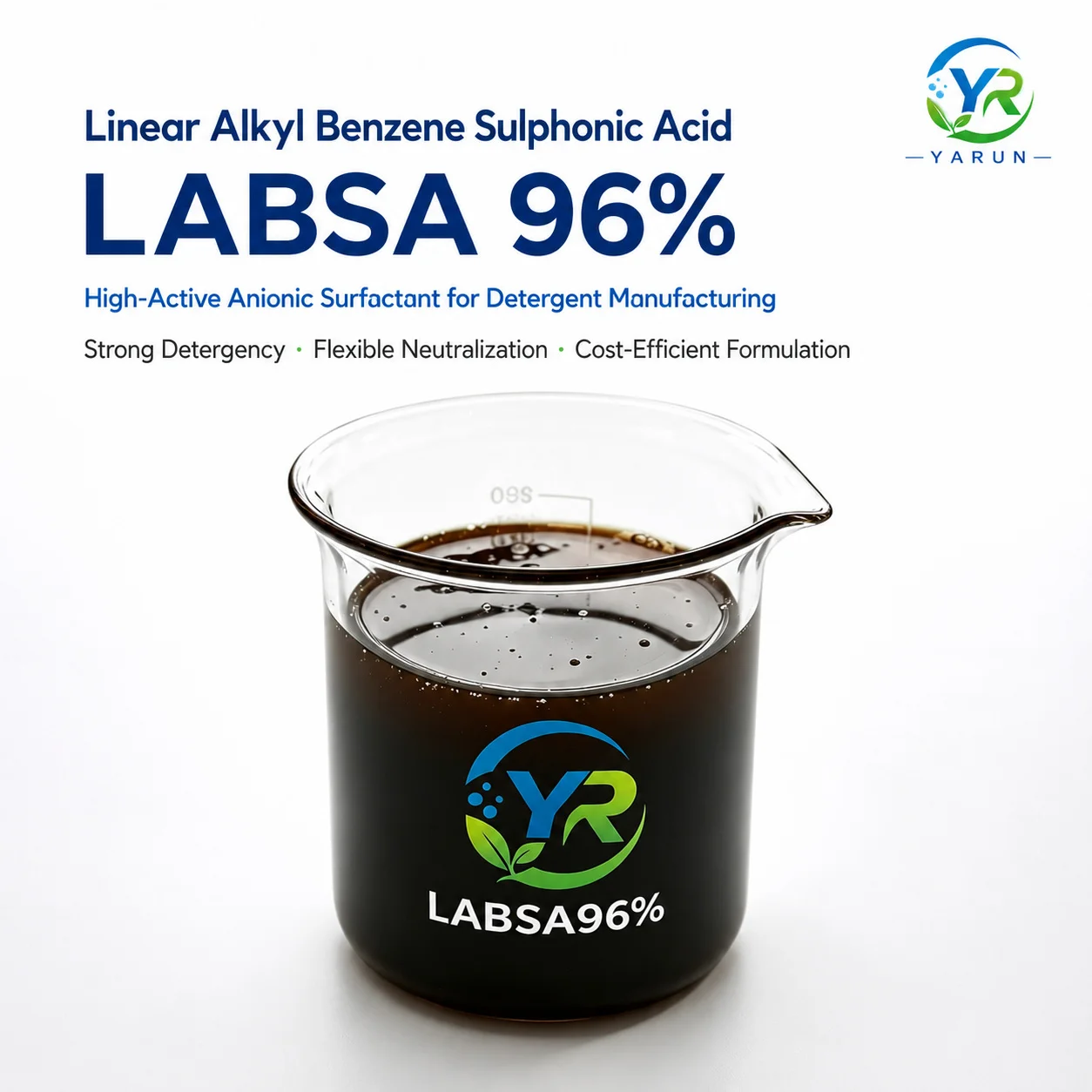
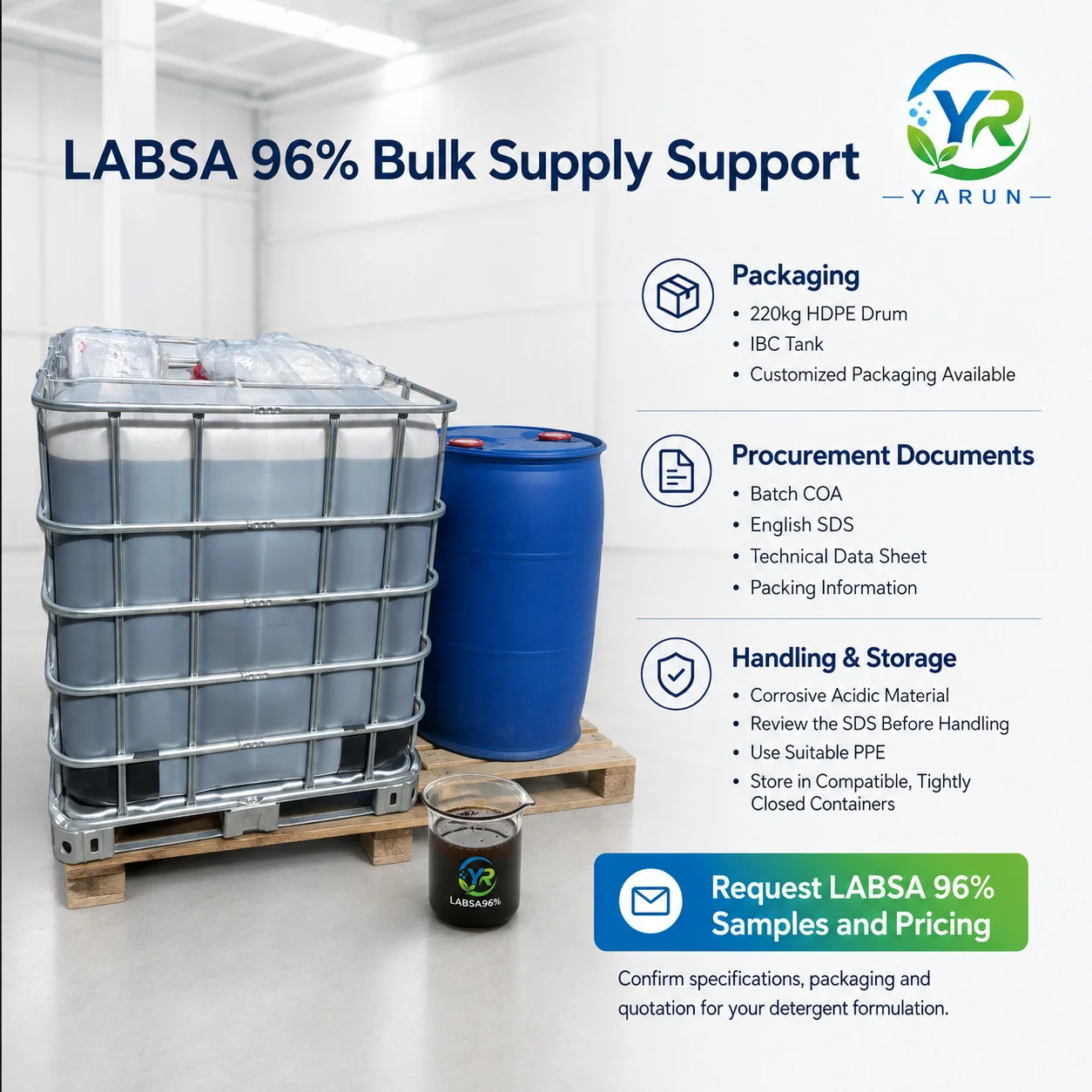
Linear Alkyl Benzene Sulphonic Acid (LABSA 96%)
Linear Alkyl Benzene Sulphonic Acid (LABSA 96%) is a high-active acid-form anionic surfactant for laundry detergents, dishwashing products and industrial cleaners. Bulk packaging, batch COA, English SDS, TDS and export quotation support are available.
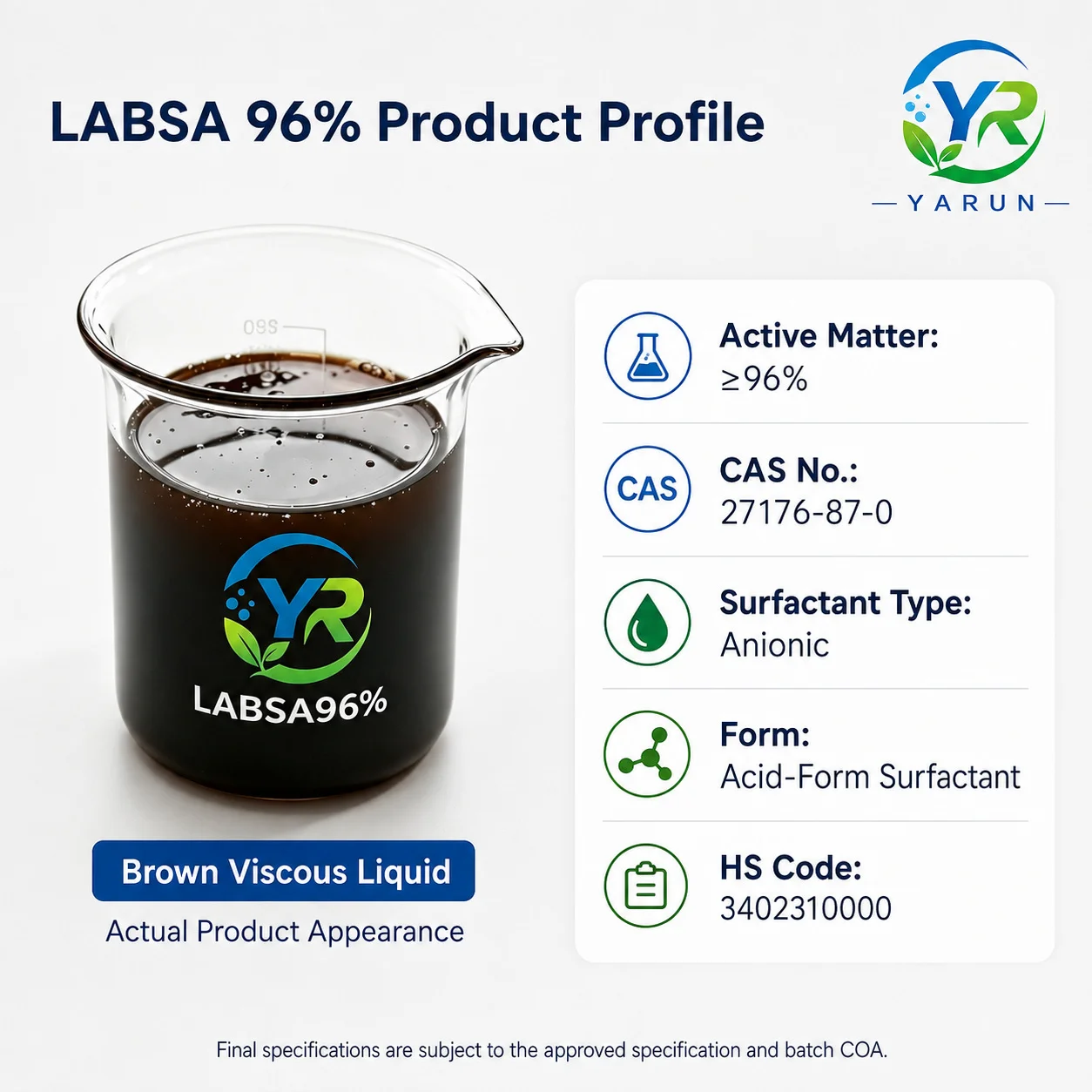
| NAME | VALUE |
|---|---|
| Common Name | LABSA 96% |
| Chemical Type | Anionic Surfactant |
| Appearance | Brown viscous liquid |
| Active Matter | ≥96% |
| CAS Number | 27176-87-0 |
| Id Code | 340231 |
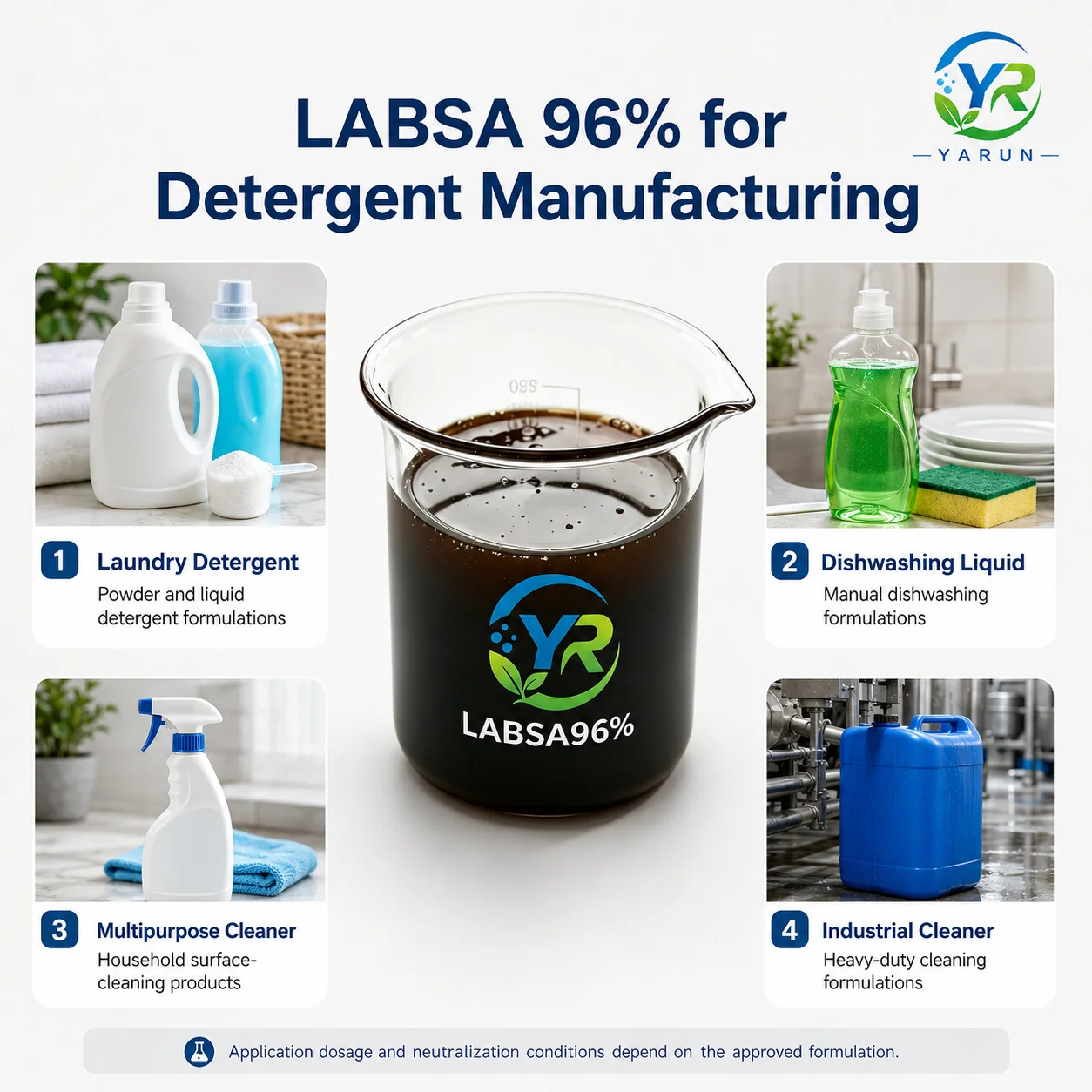
| Application | Laundry detergent, liquid cleaner, dishwashing liquid, industrial cleaner |
| Packaging | 220kg HDPE Drum / IBC Tank / Customized Packaging |
Product Description
High-Active Acid Surfactant for Detergent Manufacturing
Linear Alkyl Benzene Sulphonic Acid (LABSA 96%) is a high-active, acid-form anionic surfactant widely used in laundry detergents, dishwashing liquids, household cleaners and industrial cleaning formulations.
After controlled neutralization with a suitable alkali, LABSA forms Linear Alkylbenzene Sulfonate (LAS), which provides detergency, grease removal, wetting and foam performance in detergent systems.
Understanding LABSA and LAS
What Is LABSA?
LABSA is the acid form of a widely used anionic detergent surfactant. It is supplied as a high-active brown viscous liquid and requires professional handling.
What Happens After Neutralization?
After controlled reaction with a suitable alkali, LABSA forms Linear Alkylbenzene Sulfonate (LAS). LAS is the neutralized surfactant used in many laundry and household cleaning formulations.
Why Does Neutralization Matter?
The selected alkali, neutralization level, temperature and final pH can affect the finished detergent’s active matter, viscosity, stability and cleaning performance.
Neutralization should be carried out by qualified formulators using a validated process, suitable equipment and applicable safety controls.
Recommended Applications
Laundry Detergent Powder
Neutralized LABSA is widely used as a primary cleaning surfactant in conventional and concentrated laundry detergent powders.
Liquid Laundry Detergent
LABSA can be incorporated into liquid detergent systems after controlled neutralization and complete formulation evaluation.
Hand-Dishwashing Liquid
LABSA supports grease removal, detergency and foam performance when combined with suitable surfactants and functional ingredients.
Multipurpose and Floor Cleaners
LABSA can be used in general household cleaners requiring effective soil removal and formulation cost control.
Kitchen Degreasers
Neutralized LABSA is suitable for selected kitchen cleaning formulations targeting oil and greasy soils.
Industrial and Institutional Cleaners
LABSA can be evaluated for industrial and institutional products requiring detergency, wetting and emulsification performance.
Application Selection Guide
| Finished Product | Recommended Direction |
|---|---|
| Laundry Detergent Powder | Primary cleaning surfactant after neutralization |
| Liquid Laundry Detergent | Use after controlled neutralization and stability evaluation |
| Hand-Dishwashing Liquid | Combine with foam-supporting surfactants |
| Multipurpose Cleaner | Cleaning performance and formulation cost control |
| Kitchen Degreaser | Suitable for oil and greasy soil removal |
| Industrial Cleaner | Select according to soil type, pH and process requirements |
Final performance depends on the neutralization process, complete formulation, dosage, water quality and applicable product testing.
Technical Specifications
| Item | Typical Specification |
|---|---|
| Chemical Name | Linear Alkyl Benzene Sulphonic Acid |
| Common Name | LABSA 96% |
| CAS Number | 27176-87-0 |
| Chemical Type | Acid-Form Anionic Surfactant |
| Appearance | Brown viscous liquid |
| Active Matter | ≥96% |
| Free Sulfuric Acid | Subject to approved specification and batch COA |
| Unsulfonated Matter / Free Oil | Subject to approved specification and batch COA |
| Water Content | Subject to approved specification and batch COA |
| Color | Subject to approved specification and batch COA |
| Packaging | 220kg HDPE Drum / IBC / Customized Packaging |
| HS Code | 3402310000 |
Final specifications are subject to the approved sample, purchase specification and batch COA.
The HS code shown is a China export reference. The Thai importer should confirm the applicable local customs classification before declaration.
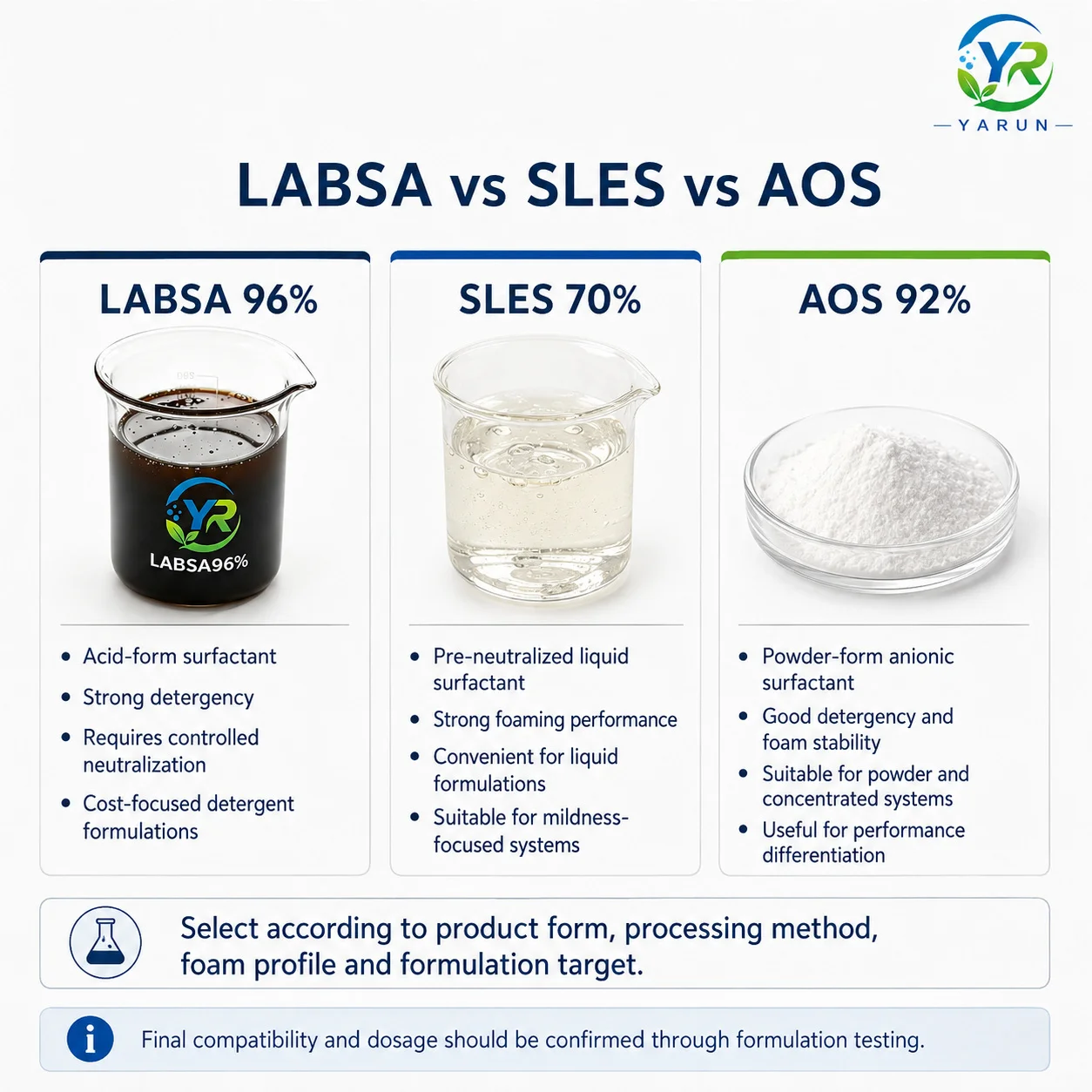
LABSA vs SLES vs AOS
| Surfactant | Main Value | Recommended Applications |
|---|---|---|
| LABSA | Strong detergency and formulation cost efficiency | Laundry detergents, dishwashing and industrial cleaners |
| SLES | Liquid processing and balanced foam | Liquid detergents and selected personal care products |
| AOS | Stable foam and adaptability under different water conditions | Laundry, dishwashing and household cleaning products |
When Should You Choose LABSA?
Choose LABSA when strong detergency, controlled neutralization and formulation cost efficiency are priorities.
When Should You Choose SLES?
Choose Sodium Laureth Sulfate SLES-70 or SLES-28 when convenient liquid processing, balanced foam and a comparatively milder surfactant system are required.
When Should You Choose AOS?
Choose Sodium Alpha Olefin Sulfonate AOS 92% when stable foam and performance under different water conditions are important.
The correct surfactant should be selected according to the finished product, processing method, water conditions, cost target and required performance.
Formulation Compatibility
LABSA + SLES
LABSA contributes detergency and formulation cost efficiency, while Sodium Laureth Sulfate SLES supports foam and liquid-formulation flexibility.
LABSA + AOS
LABSA supports cleaning performance, while Sodium Alpha Olefin Sulfonate AOS 92% can contribute stable foam and adaptability under different water conditions.
LABSA + SLS
LABSA can be combined with Sodium Lauryl Sulfate SLS 92% in selected powder and solid cleaning formulations requiring detergency and rapid foam.
LABSA + Nonionic Surfactants
Nonionic surfactants may be used to balance grease removal, detergency and foam characteristics.
All neutralization procedures, surfactant combinations and dosage levels should be confirmed through compatibility, stability and finished-product testing.
Quality Points for Bulk Buyers
Active Matter
Confirm the required active matter and compare each shipment with the approved specification and batch COA.
Free Sulfuric Acid
Review free sulfuric acid because it can affect neutralization requirements, processing control and finished-product quality.
Unsulfonated Matter
Check unsulfonated matter or free oil because it may influence appearance, odor, detergency and formulation stability.
Water Content and Color
Water content and color should be reviewed according to the buyer’s processing and finished-product requirements.
Batch Consistency
For repeat orders, compare active matter, appearance and relevant impurity parameters between batches.
Packaging Integrity
Inspect drums, closures, labels and seals before shipment and upon delivery.
Handling, Packaging and Storage
Professional Handling Required
LABSA is a corrosive acidic industrial material. Review the SDS before handling and use suitable personal protective equipment.
- Avoid contact with eyes, skin and clothing
- Use suitable chemical-resistant gloves, eye protection and protective clothing
- Use appropriate acid-resistant transfer and storage equipment
- Keep packaging tightly closed when not in use
- Protect from water, contamination and incompatible materials
- Keep away from strong oxidizing agents
- Follow applicable workplace and environmental regulations
Packaging Options
- 220kg HDPE drums
- IBC packaging subject to confirmation
- Customized packaging subject to order requirements
Packaging weight, loading quantity and shipment conditions should be confirmed before ordering.
Supply Support for Thai Buyers
Batch Documentation
Batch COA, English SDS and TDS are available for technical review and import preparation.
Product Evaluation
Product evaluation arrangements can be discussed according to sample-handling, packaging and transportation requirements.
Port-Based Quotation
FOB, CFR or CIF quotations can be prepared according to the required specification, packaging, quantity and destination port.
- Laem Chabang Port
- Bangkok Port
- Other destinations upon request
Import Document Coordination
Commercial invoice, packing list, bill of lading and available technical documents can be prepared according to the confirmed order.
The Thai importer is responsible for confirming local registration, labeling, customs, storage and regulatory requirements before shipment.
FAQ
1. What is the difference between LABSA and LAS?
LABSA is the acid-form raw material. After controlled neutralization with a suitable alkali, it forms Linear Alkylbenzene Sulfonate (LAS), which is used as an active surfactant in detergent formulations.
2. Does LABSA 96% need to be neutralized before use?
Yes. LABSA normally requires controlled neutralization before incorporation into conventional detergent products. The process should be completed by qualified formulators using suitable equipment and safety controls.
3. LABSA vs SLES: Which should I choose?
Choose LABSA when detergency and formulation cost efficiency are priorities. Choose SLES when convenient liquid processing, balanced foam and a comparatively milder surfactant system are required.
4. Can LABSA be used in both powder and liquid detergents?
Yes. Neutralized LABSA can be used in powder and liquid detergent systems. The neutralization method and complete formulation should be evaluated for each application.
5. Can LABSA be combined with AOS, SLES or SLS?
Yes. LABSA can be combined with AOS 92%, SLES or SLS 92% to adjust detergency, foam, processing performance and formulation cost.
6. What LABSA quality parameters should buyers check?
Buyers should check active matter, free sulfuric acid, unsulfonated matter, water content, color, appearance, batch consistency and packaging integrity.
7. What packaging and documents are available?
LABSA is available in 220kg HDPE drums, IBC packaging subject to confirmation and customized packaging. Batch COA, English SDS and TDS are available.
Request LABSA 96% Samples and Pricing
Please provide:
- Target application
- Required specification
- Required quantity
- Preferred packaging
- Destination port
- Preferred Incoterm
- Required technical documents
We will provide the available specification, product evaluation arrangement, packaging information and export quotation.
Request LABSA 96% Bulk Pricing
Related Products
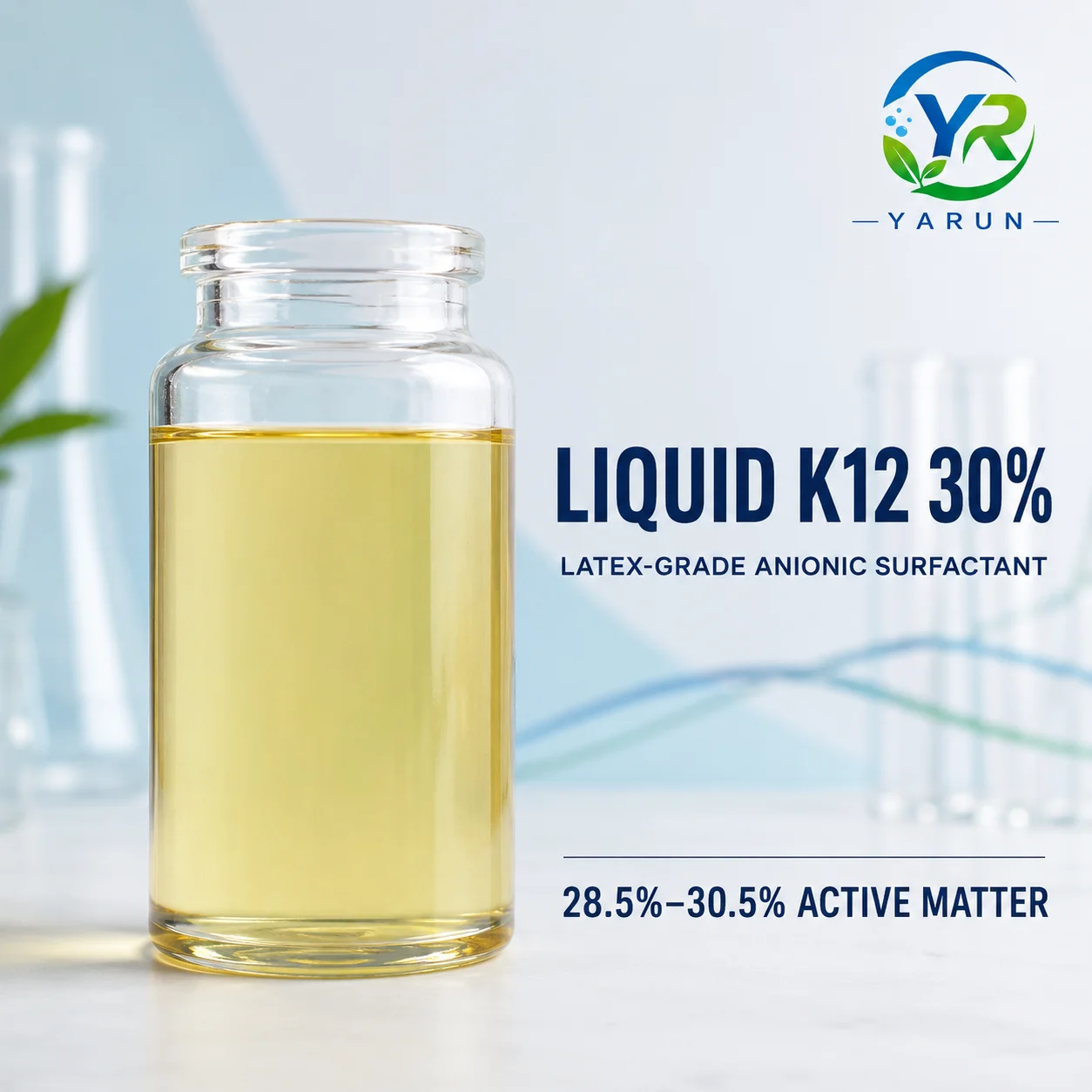
SLS Liquid 30% (Liquid K12) – Latex Grade
Liquid K12 30% is a latex-grade anionic surfactant supplied as a pale yellow transparent liquid with 28.5%–30.5% active matter. It is designed for liquid-phase dosing and may be evaluated as an emulsifier in selected synthetic latex, rubber and resin emulsion-polymerization systems. YARUN supplies the product in drums or IBC totes with a minimum order quantity of 1 MT. Final suitability depends on the applicable specification, processing conditions and completed formulation or polymerization trials.
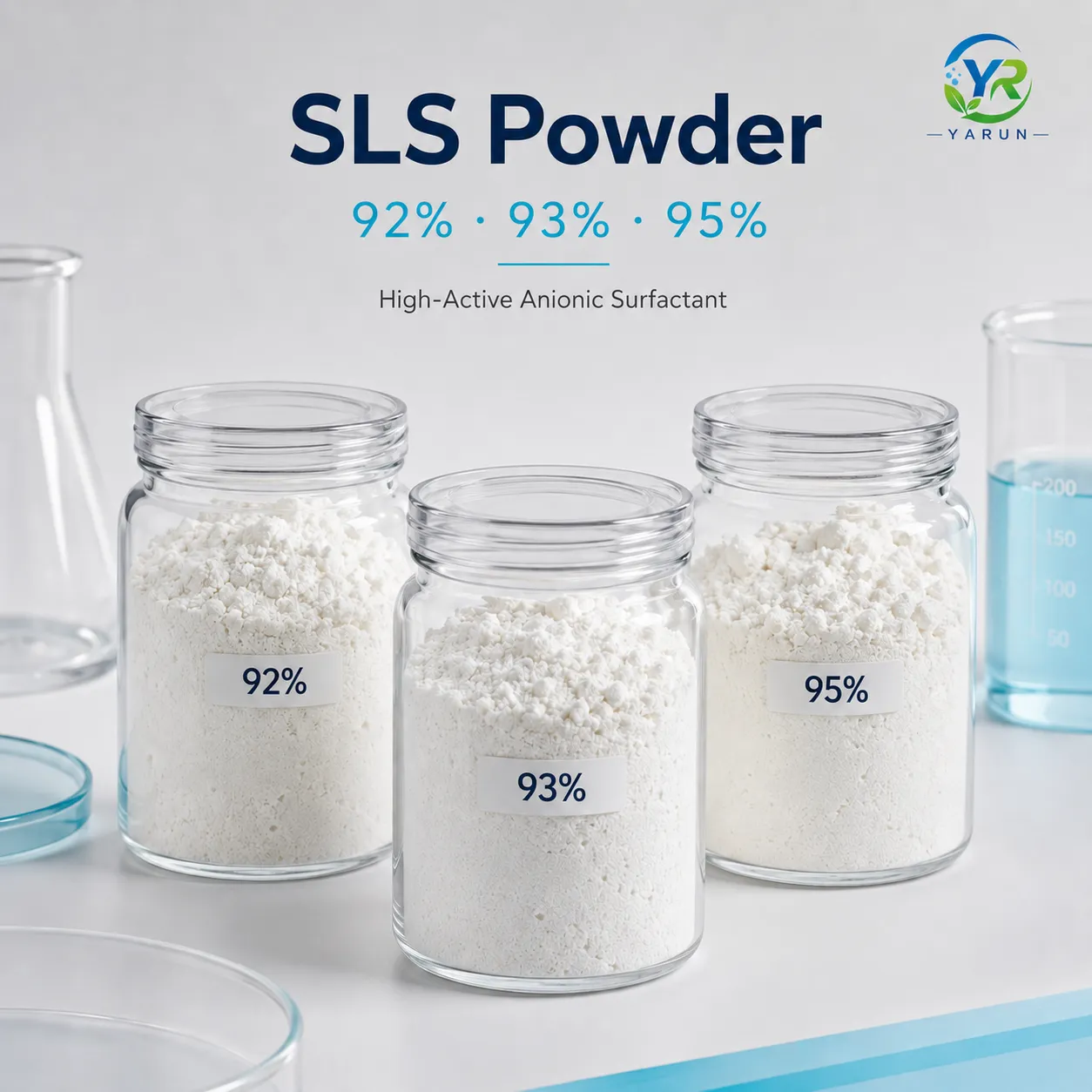
SLS Powder 92%, 93% and 95%
SLS Powder is a high-active anionic surfactant available in 92%, 93% and 95% grades. The three grades share the same powder form and fundamental surfactant mechanism but differ in active matter and sodium sulfate limits. YARUN helps detergent manufacturers compare grade concentration, inorganic-salt load, processing requirements and delivered cost per unit of active matter.
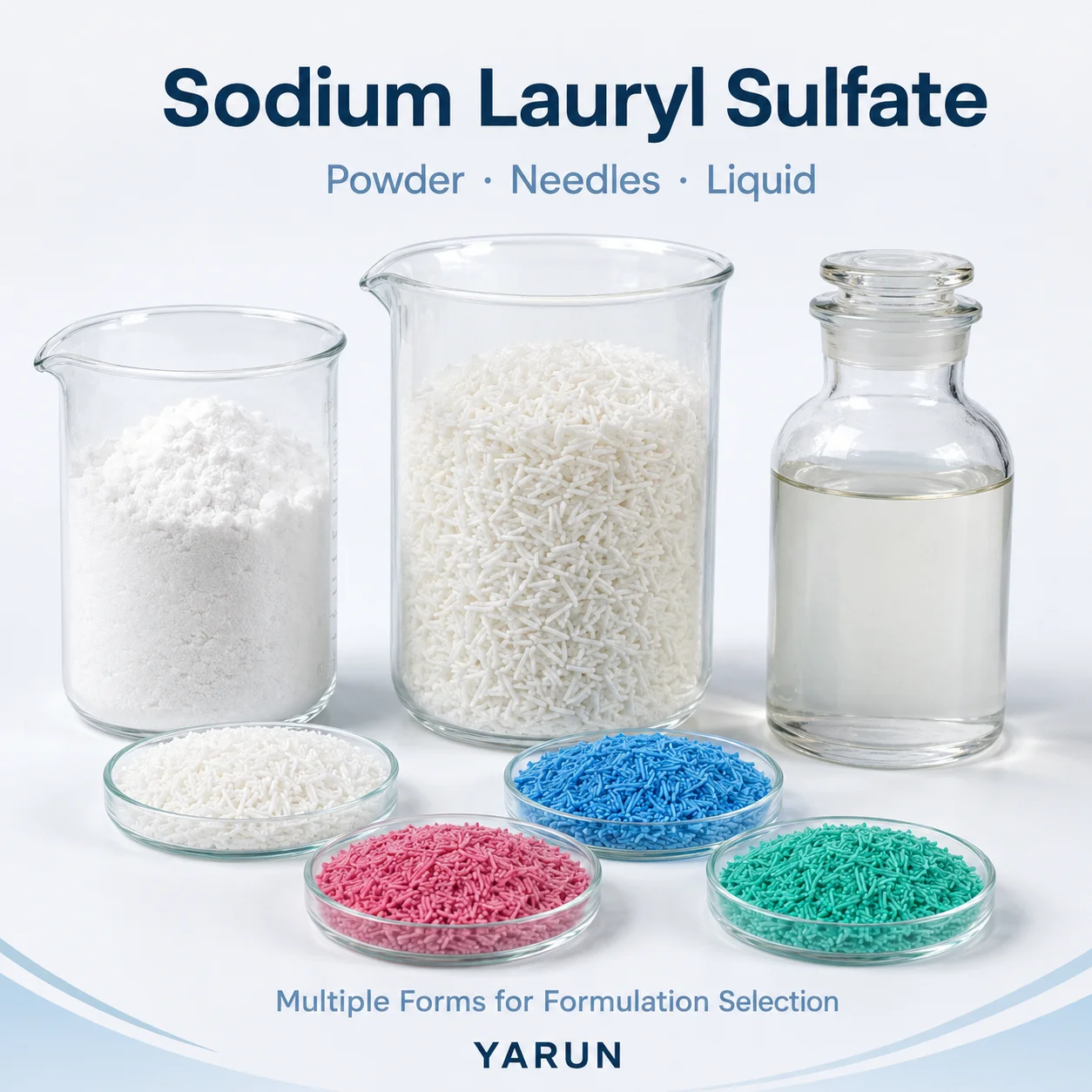
Sodium Lauryl Sulfate (SLS) – Forms, Grades and Selection
Sodium Lauryl Sulfate (SLS) is an anionic surfactant used for wetting, foaming, detergency and dispersion. YARUN offers SLS in powder, needle and liquid forms, including powder and needle grades at 92%, 93% and 95% active matter and SLS Liquid 30%. This page compares the available forms and helps buyers select an appropriate starting option according to product format, processing method and active-matter requirements.
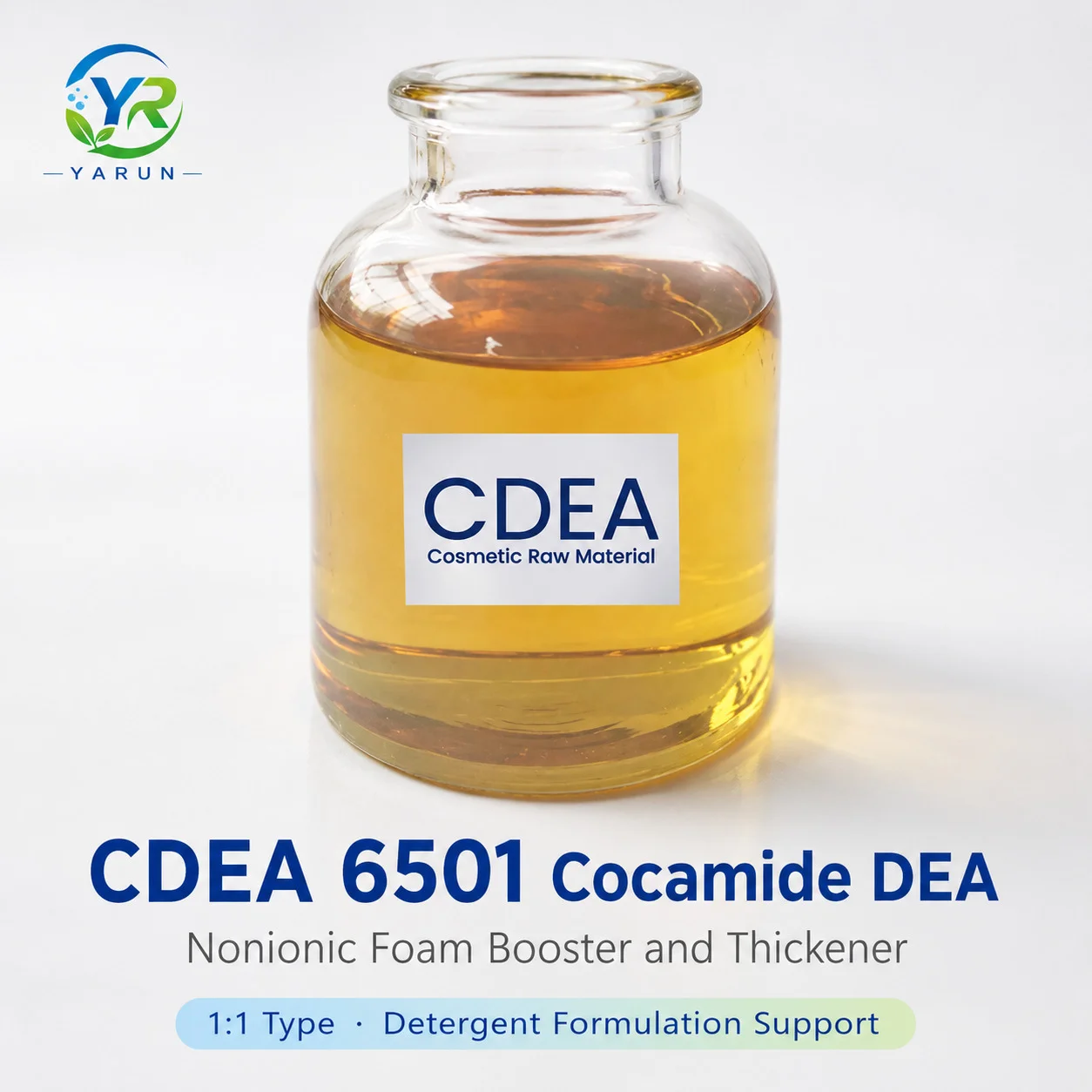
CDEA 6501 Cocamide DEA Foam Booster and Thickener
YARUN CDEA 6501 is a 1:1 type Cocamide DEA nonionic co-surfactant used to support foam stability, viscosity development and formulation compatibility in liquid detergent, dishwashing liquid, shampoo, hand wash and industrial cleaning products. It can be combined with SLES, LABSA, AOS, SLS and other suitable surfactants according to the target formulation.